
Sponsored Advertorial
Editor's #1 Pick
We Tested 8 Magnesium Sleep Creams. Here's the One That Actually Works.
By Sarah Mitchell | 6 min read
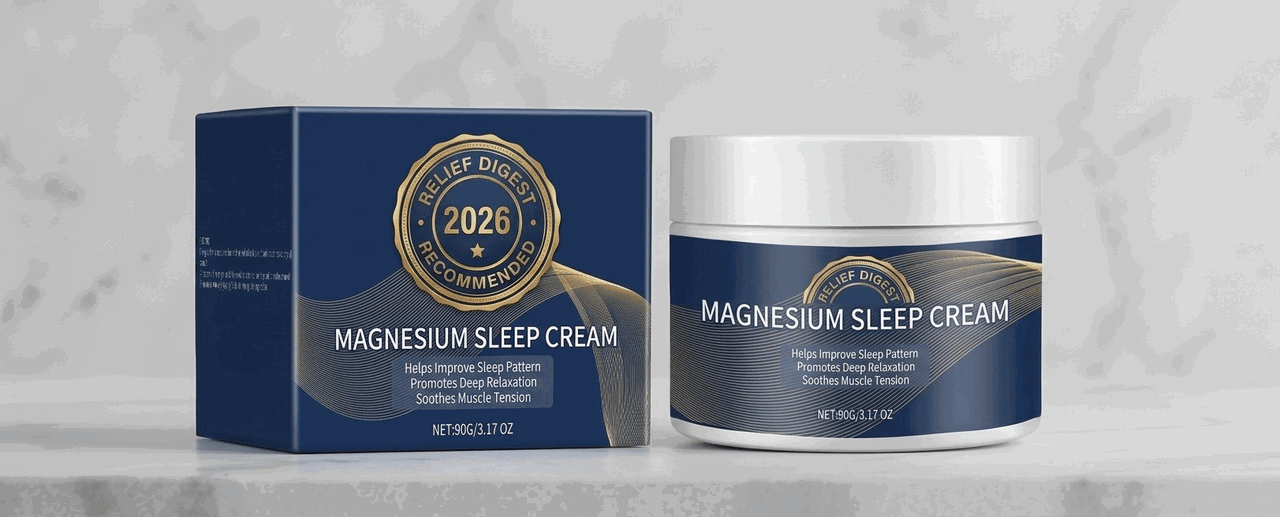
If you've been scrolling Amazon at midnight looking for something - anything - to help you sleep without popping another melatonin, you've probably come across magnesium sleep creams.
The idea is simple. Magnesium relaxes muscles and calms the nervous system. Applied topically, it bypasses the digestive system and absorbs directly through the skin. Rub it on your feet or shoulders before bed, and in theory, you drift off faster, sleep deeper, and wake up without that groggy hangover.
That's the pitch, anyway.
The reality? Most of these creams are either overpriced moisturizers with trace amounts of magnesium, or they work but leave your skin sticky, greasy, or tingling for hours.
We wanted to find the one that actually delivers. So we bought eight of the most popular options, used each one for at least five nights, and tracked everything - absorption time, texture, scent, skin feel, and most importantly, whether we actually slept better.
Here's what we found.
The Gut-Brain Connection Is Real
The link between your gut and your brain runs through the vagus nerve, a long cranial nerve that acts as a two-way communication highway between your digestive system and your central nervous system. When the microbial balance in your gut shifts — through diet changes, antibiotics, stress, or illness — it can send signals that directly affect how you feel, think, and respond to the world around you.
Researchers at Johns Hopkins have found that roughly 90 percent of the body's serotonin — the neurotransmitter most associated with mood regulation — is actually produced in the gut, not the brain. This has led some scientists to explore whether gut health interventions could play a role in managing conditions like anxiety and depression, areas that were previously considered exclusively neurological.
Immunity Starts in the Digestive System
Your gut also houses approximately 70 percent of your immune system. The mucosal lining of the intestines serves as the body's first line of defense against pathogens, and the bacteria living there play a direct role in training immune cells to distinguish between harmful invaders and harmless substances.
When the microbiome is disrupted — a condition researchers call dysbiosis — the immune system can become either overactive or underactive. Overactivity is linked to autoimmune conditions and chronic inflammation. Underactivity leaves the body vulnerable to infections that a healthy immune system would normally handle.
What You Can Actually Do About It
The science around gut health is still evolving, and researchers are careful to note that no single food or supplement is a cure-all. That said, a few evidence-backed strategies have emerged consistently across studies.
Dietary fiber appears to be the single most important factor in maintaining a diverse microbiome. Foods like legumes, whole grains, and vegetables feed beneficial bacteria and help them thrive. Fermented foods — yogurt, kimchi, sauerkraut, and kefir — introduce live microorganisms that can temporarily boost microbial diversity.
On the other side of the equation, highly processed foods, artificial sweeteners, and excessive alcohol consumption have all been shown to reduce microbial diversity and promote the growth of less beneficial bacterial strains.
The Bigger Picture
What makes the microbiome so fascinating to researchers is its interconnectedness. It does not operate in isolation. It responds to sleep patterns, exercise habits, stress levels, medication use, and environmental exposures. Understanding it requires looking at the whole person, not just the digestive tract.
For now, the most practical takeaway is also the simplest: the foods you eat, the sleep you get, and the stress you manage all shape the microbial ecosystem that influences far more of your health than scientists once believed possible.
Check out our Socials











© 2026 Relief Digest. All rights reserved.
Privacy Policy
Terms of Service
Cookies Settings
Click Here To Learn More